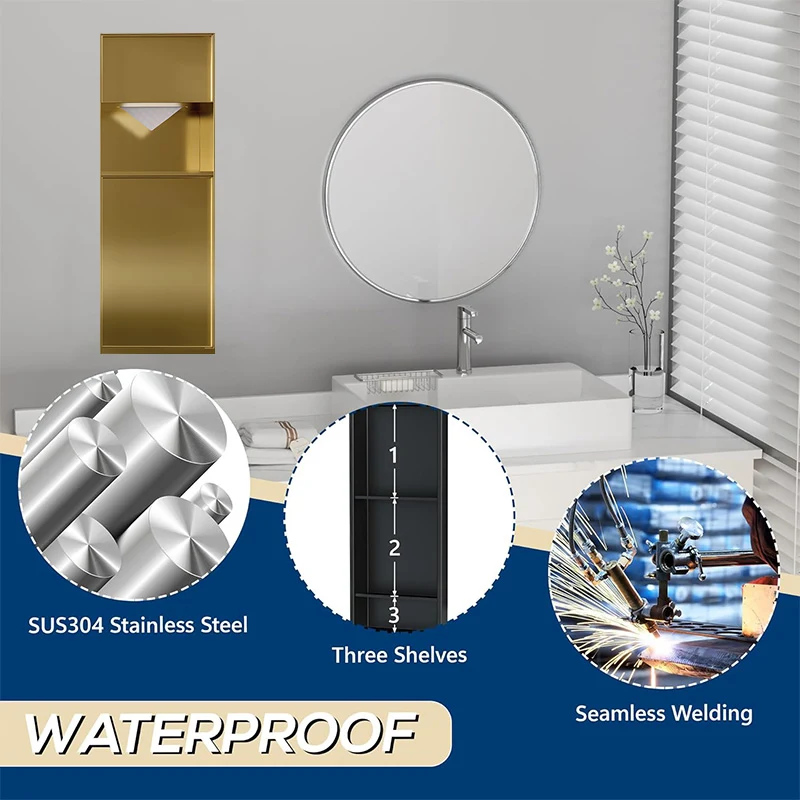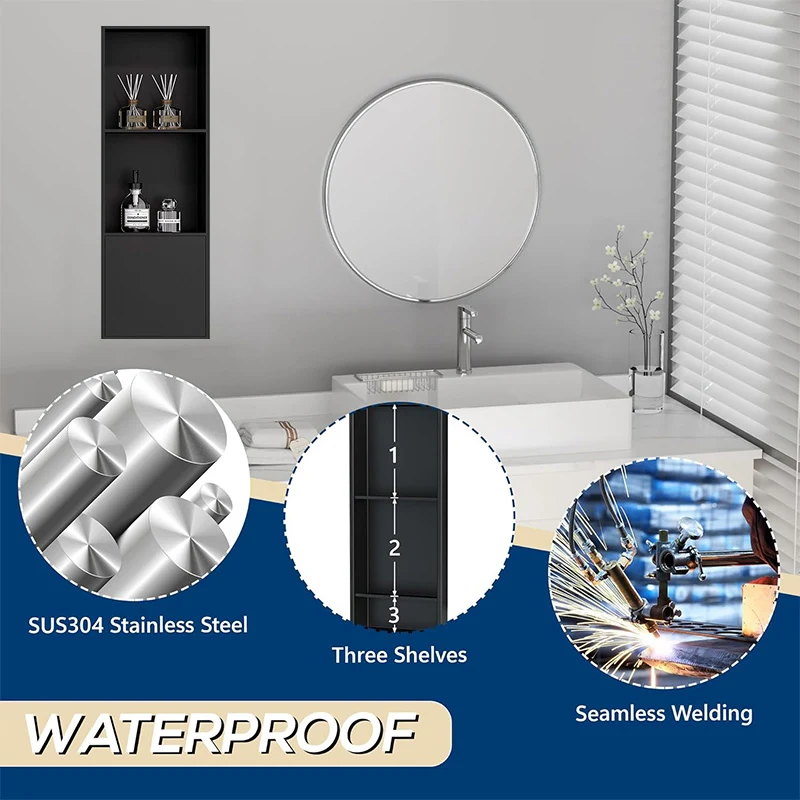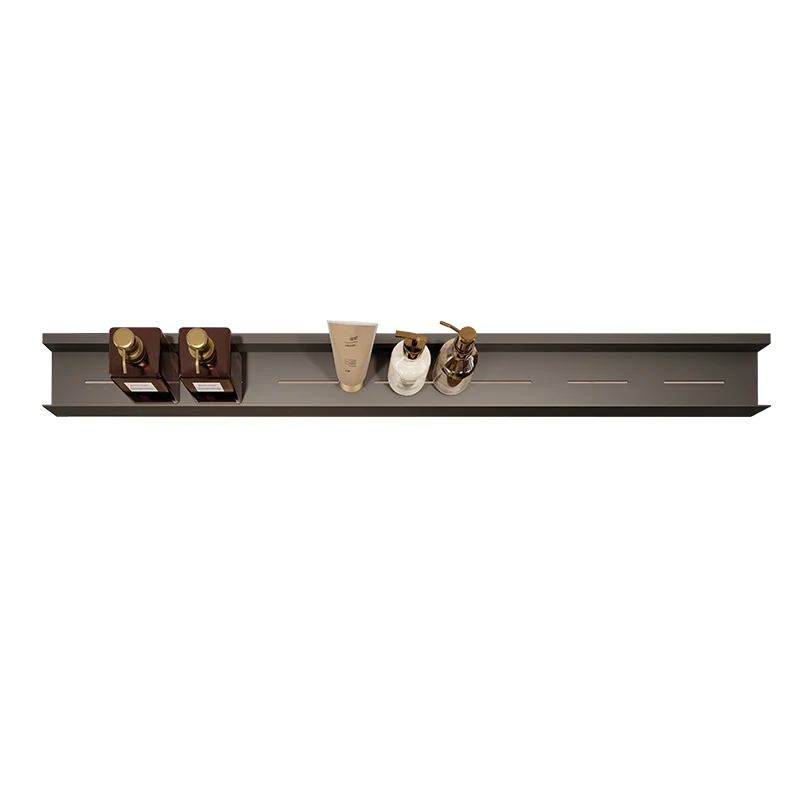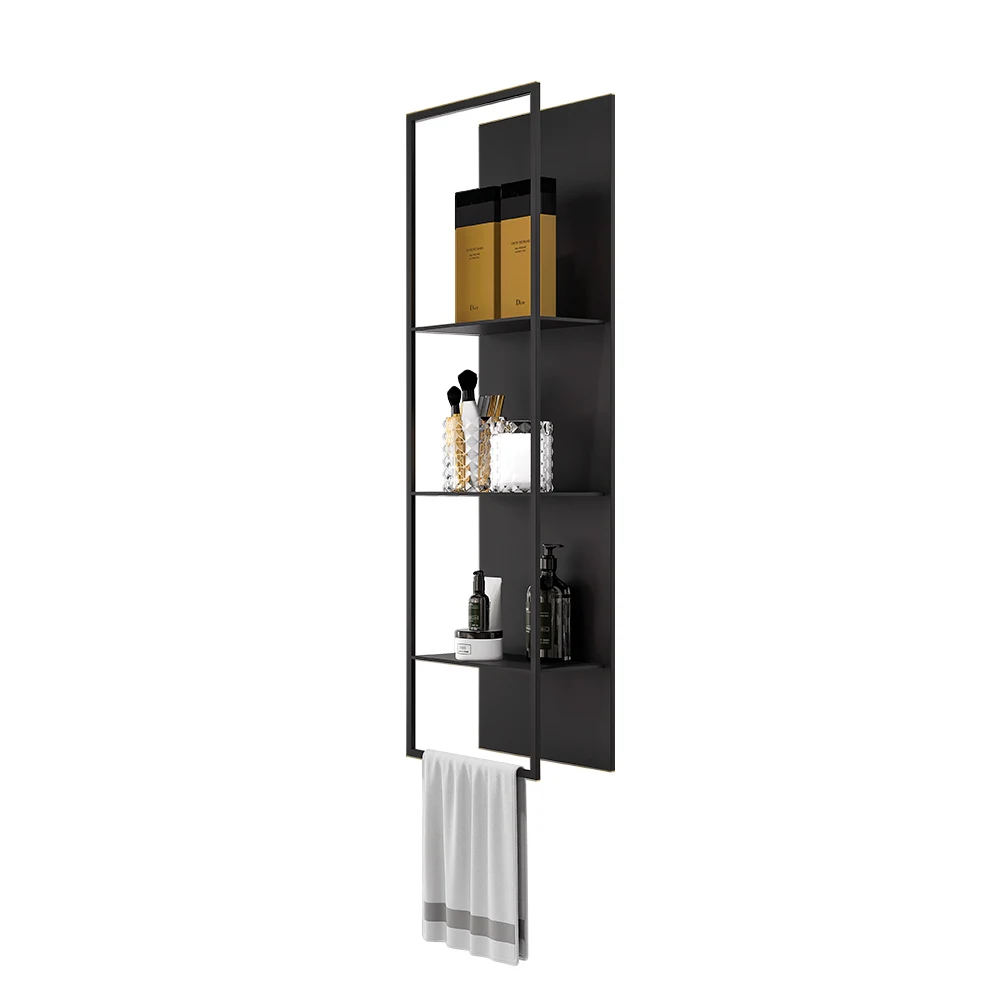

How to Choose a Shelf Storage Rack?
Article Summary
A shelf storage rack is more than a simple storage solution—it directly impacts space utilization, operational efficiency, safety, and long-term costs. Many buyers struggle with issues such as insufficient load capacity, unstable structures, poor material durability, or racks that do not adapt to changing storage needs. This in-depth guide explains how to choose the right shelf storage rack based on real-world usage scenarios, structural considerations, material options, and installation requirements. It is designed to help businesses and individuals make informed decisions while avoiding common purchasing mistakes.
Table of Contents
- Article Outline
- Common Customer Pain Points
- Typical Applications of Shelf Storage Racks
- Key Structural Components Explained
- Material Selection and Durability
- Understanding Load Capacity and Safety
- Popular Types of Shelf Storage Racks
- Specification Comparison Table
- Installation and Maintenance Considerations
- Frequently Asked Questions
Article Outline
- Why shelf storage rack selection matters
- Problems caused by improper rack choices
- Matching rack structure with storage environment
- Evaluating materials, load capacity, and expandability
- Long-term value versus short-term cost
Common Customer Pain Points
Many customers purchase shelf storage racks based on appearance or price alone, which often leads to performance issues after installation. The most common challenges include:
- Racks bending or collapsing under real operating loads
- Insufficient shelf height adjustability
- Rust or corrosion in humid environments
- Wasted vertical space due to poor design
- Difficult assembly and lack of after-sales support
Addressing these pain points requires a deeper understanding of rack design, material science, and usage scenarios rather than relying on generic specifications.
Typical Applications of Shelf Storage Racks
Shelf storage racks are widely used across different industries and environments. Choosing the correct configuration depends heavily on how and where the rack will be used.
- Warehouses: Organizing cartons, components, and inventory with high load requirements
- Retail Stores: Displaying goods while maintaining easy access and visual clarity
- Workshops: Storing tools, spare parts, and mechanical components
- Offices: Archiving documents and supplies in a structured manner
- Home Storage: Garages, basements, and utility rooms requiring flexible storage
Key Structural Components Explained
A shelf storage rack is composed of multiple structural elements, each affecting stability and usability:
- Upright Frames: The vertical supports that determine overall rack height and stability
- Shelves or Panels: Horizontal surfaces that carry the load
- Beams: Reinforcement elements connecting uprights and supporting shelves
- Bracing: Diagonal or rear supports that prevent lateral movement
A well-designed rack maintains structural balance even when shelves are unevenly loaded.
Material Selection and Durability
Material choice directly impacts lifespan, load-bearing ability, and environmental resistance.
- Cold-Rolled Steel: High strength, suitable for heavy-duty applications
- Powder-Coated Steel: Enhanced corrosion resistance and clean appearance
- Galvanized Steel: Ideal for humid or outdoor environments
- Composite Panels: Lightweight option for low-load storage
Manufacturers such as Fangao focus on material consistency and surface treatment to ensure reliable performance across different storage conditions.
Understanding Load Capacity and Safety
Load capacity should never be estimated based on shelf thickness alone. Key factors include:
- Material tensile strength
- Beam-to-upright connection design
- Load distribution across shelves
- Anchoring or floor fixation requirements
Selecting a rack with a safety margin above actual usage needs reduces long-term risk and maintenance costs.
Popular Types of Shelf Storage Racks
Different rack types serve different operational needs:
- Light-Duty Racks: Suitable for small items and low-weight storage
- Medium-Duty Racks: Balanced option for general warehouse use
- Heavy-Duty Racks: Designed for industrial-grade loads
- Adjustable Racks: Flexible shelf heights for changing inventory
Specification Comparison Table
| Rack Type | Typical Load per Shelf | Material | Recommended Use |
|---|---|---|---|
| Light-Duty | 100–150 kg | Powder-Coated Steel | Offices, retail storage |
| Medium-Duty | 200–300 kg | Cold-Rolled Steel | General warehouses |
| Heavy-Duty | 500 kg+ | Reinforced Steel | Industrial storage |
Installation and Maintenance Considerations
Proper installation ensures long-term stability and safety:
- Ensure level flooring before assembly
- Follow recommended spacing between racks
- Inspect fasteners and connections periodically
- Avoid exceeding rated load limits
Routine inspections help identify early signs of wear or misalignment, extending the rack’s service life.
Frequently Asked Questions
Q1: How do I determine the right shelf height?
Shelf height should be based on the tallest stored item plus additional clearance for handling.
Q2: Can shelf storage racks be expanded later?
Many modular systems allow additional bays or shelves to be added without replacing the entire structure.
Q3: Are shelf storage racks suitable for uneven floors?
Adjustable footplates or shims can compensate for minor floor unevenness, but severe slopes require floor preparation.
Conclusion
Choosing the right shelf storage rack requires balancing load capacity, material quality, structural design, and future flexibility. A well-selected rack not only solves current storage challenges but also adapts to evolving operational needs. With a focus on durability, safety, and practical design, Fangao provides shelf storage rack solutions that support efficient and organized storage across multiple industries.
If you are planning to upgrade or customize your storage system, contact us today to discuss your requirements and receive a tailored shelf storage rack solution.
Related News
- Stainless Steel Niche vs. Tile Niche: Which Is Better for a Modern Bathroom?
- How Can Gold Bar-Shaped Stainless Steel Storage Rack Improve Modern Storage Efficiency?
- How Does a Bar-Shaped Storage Rack Improve Space Efficiency in Modern Homes?
- How Can a Gunmetal Bar-Shaped Stainless Steel Storage Rack Transform Your Home Organization?
- How Can a Shelf Storage Rack Transform Your Space Efficiently?
- How Gold Bar-Shaped Stainless Steel Storage Rack Enhances Space Efficiency and Modern Organization?
Leave me a message