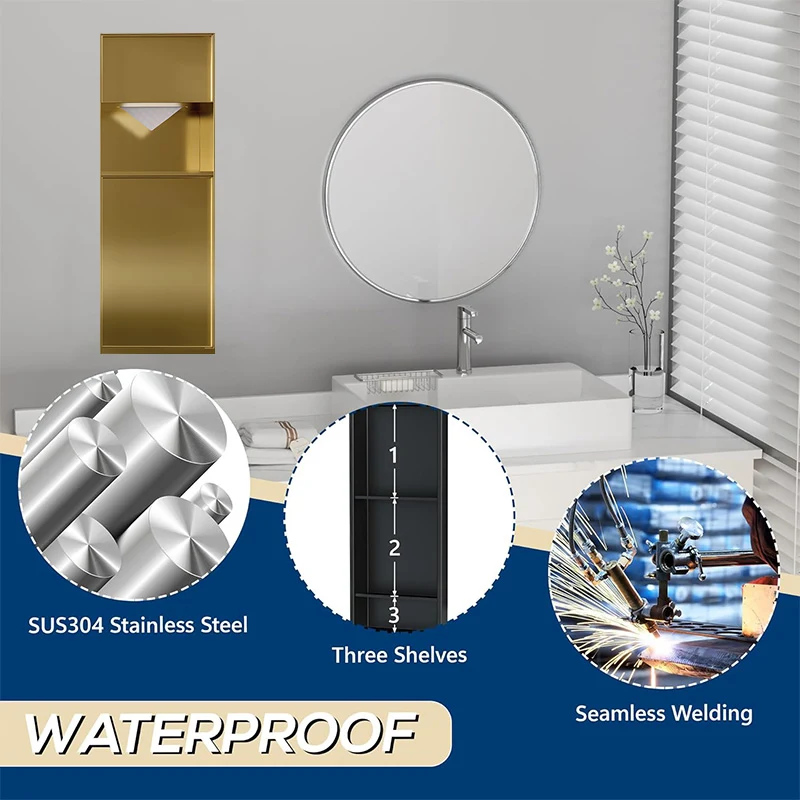
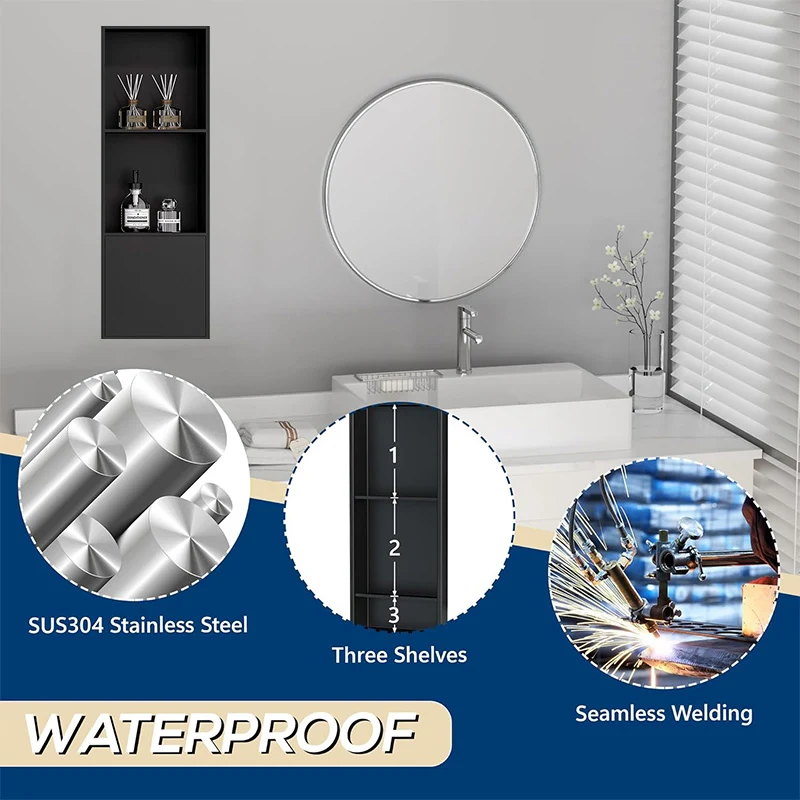
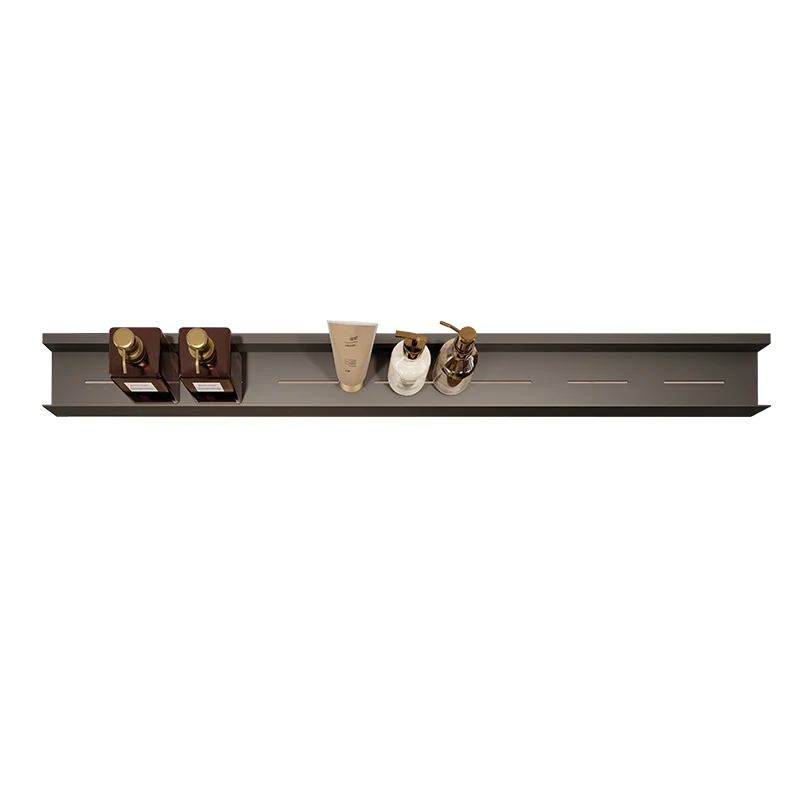
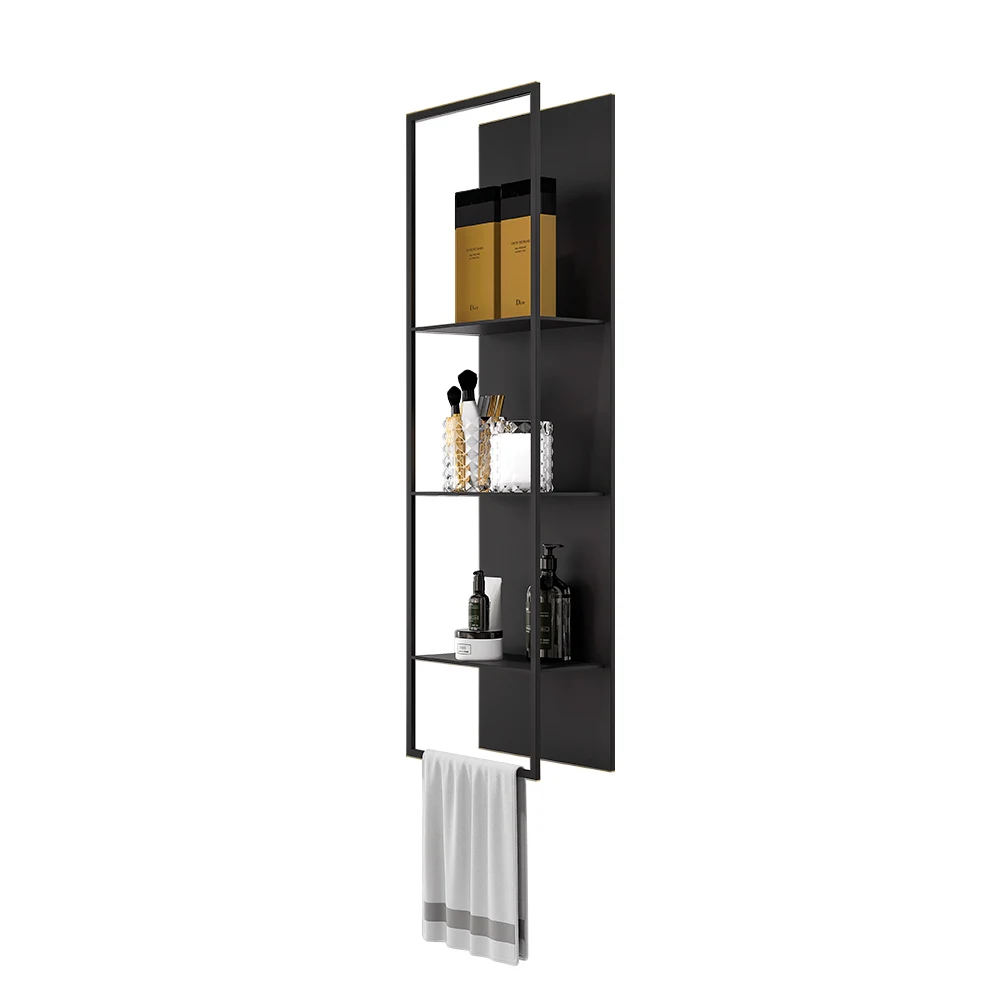
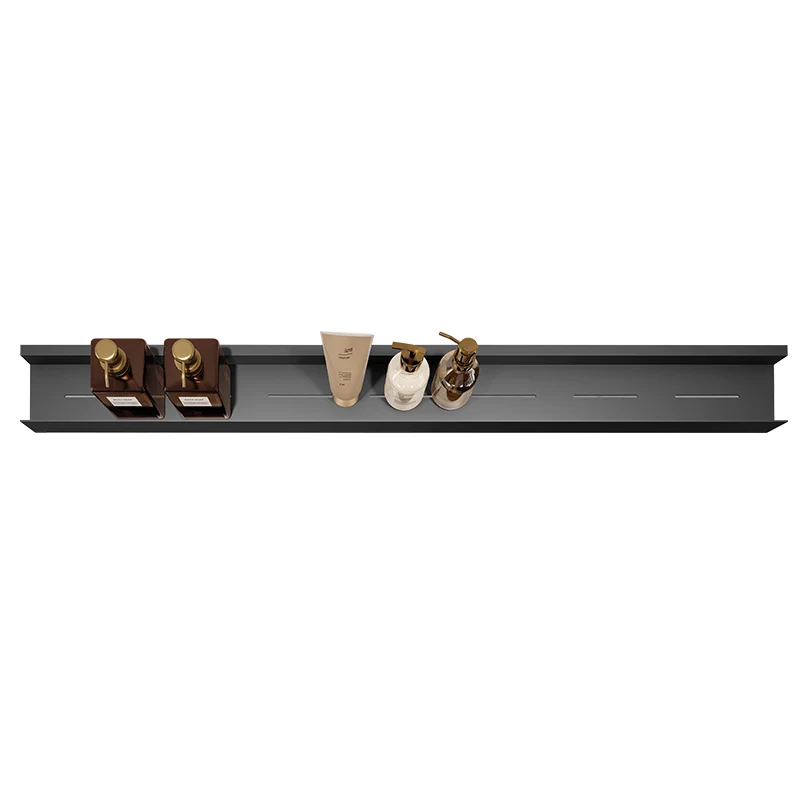
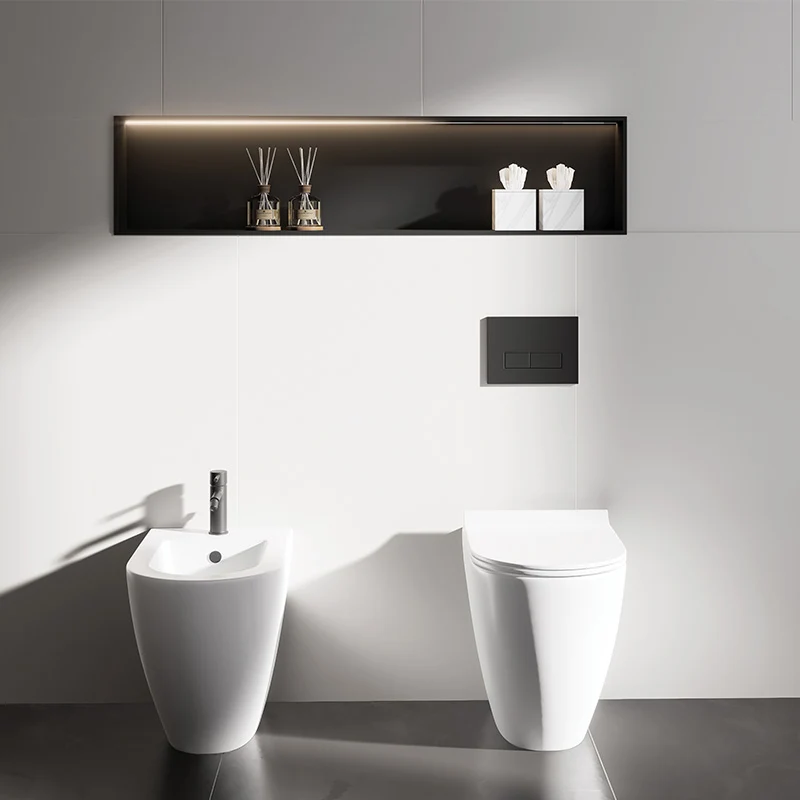
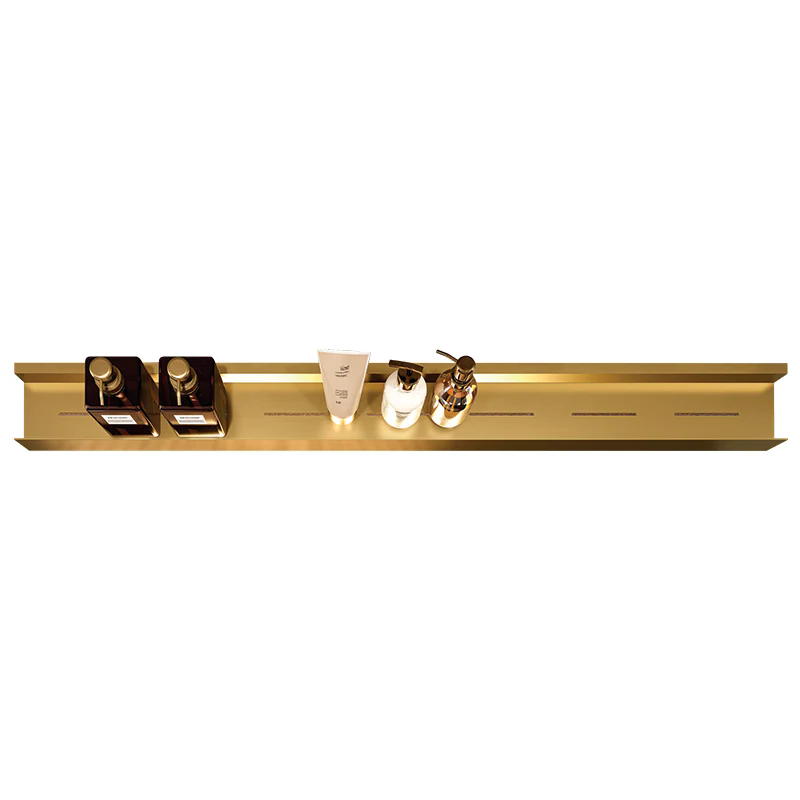
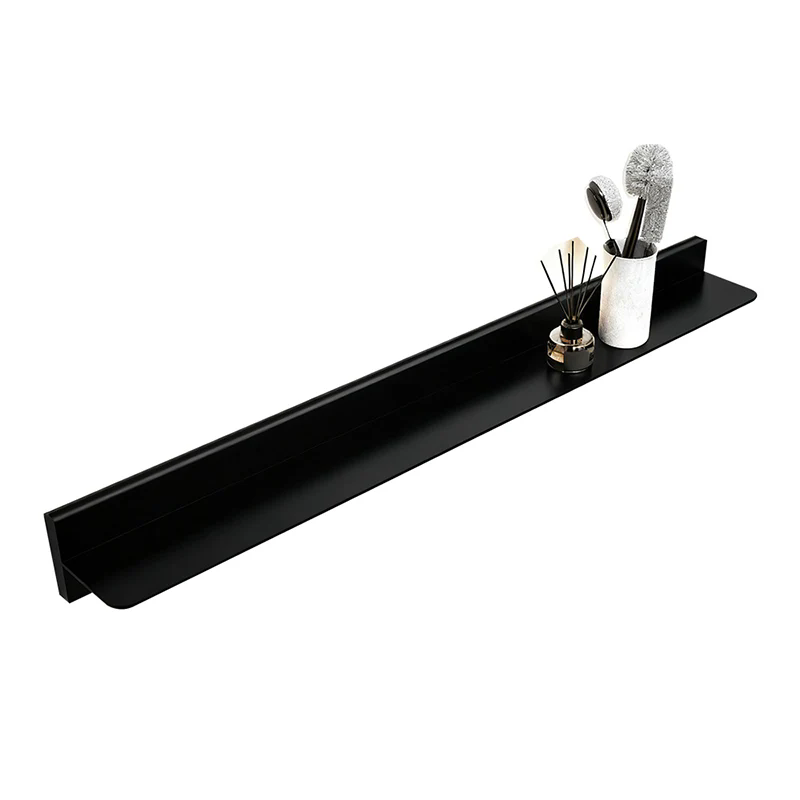
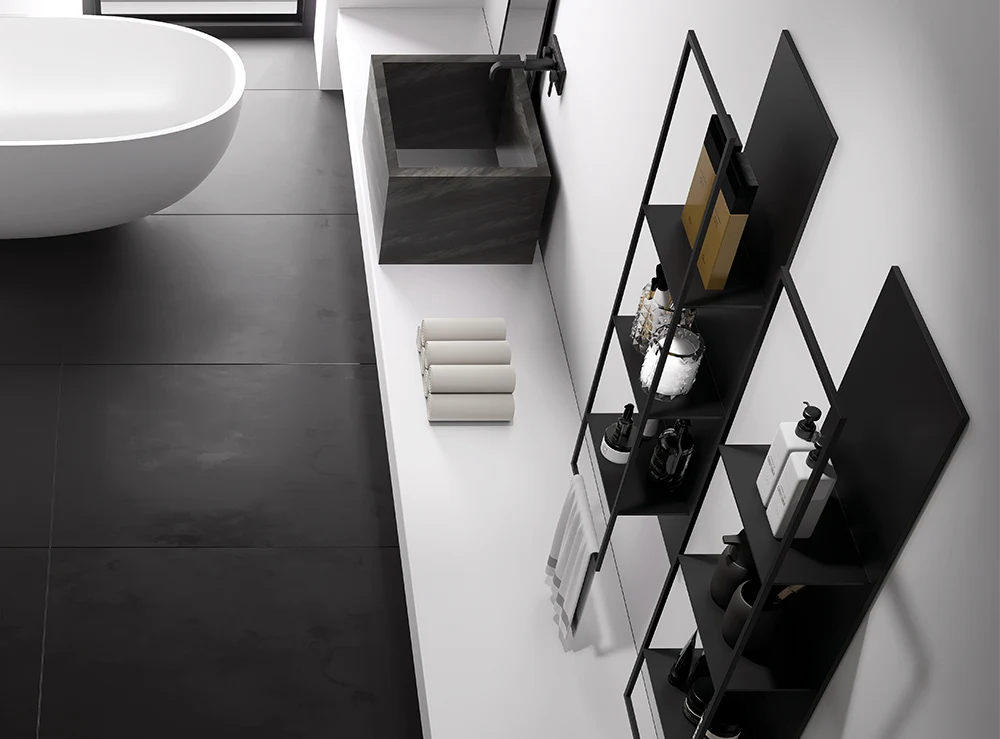
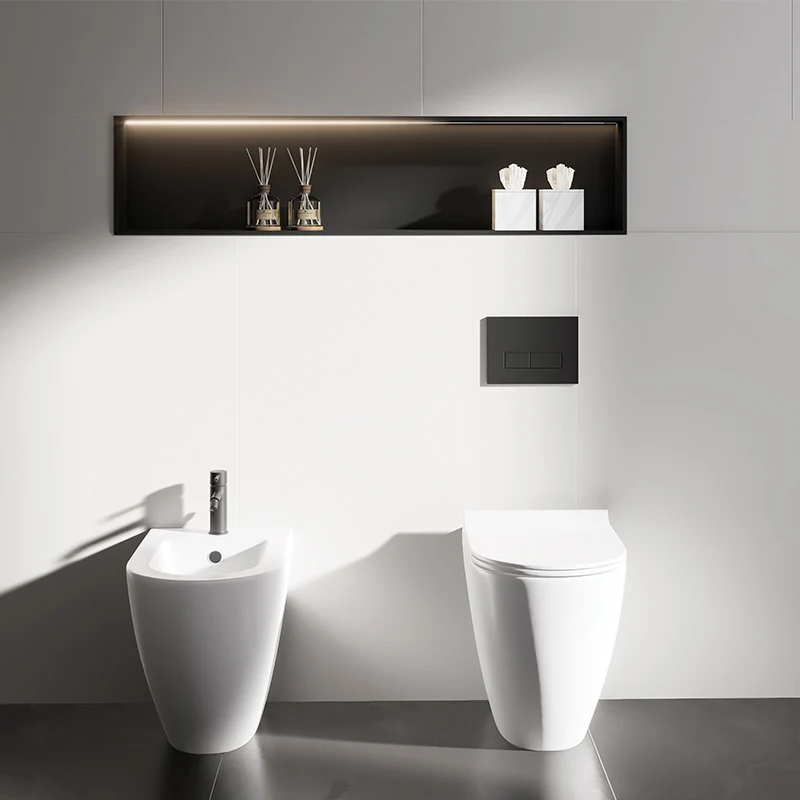
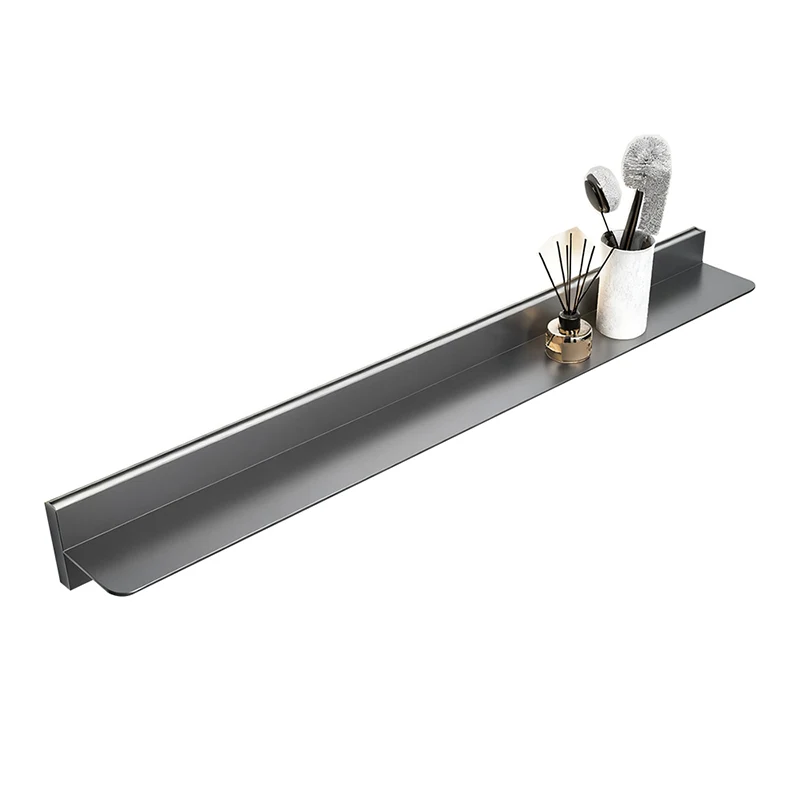
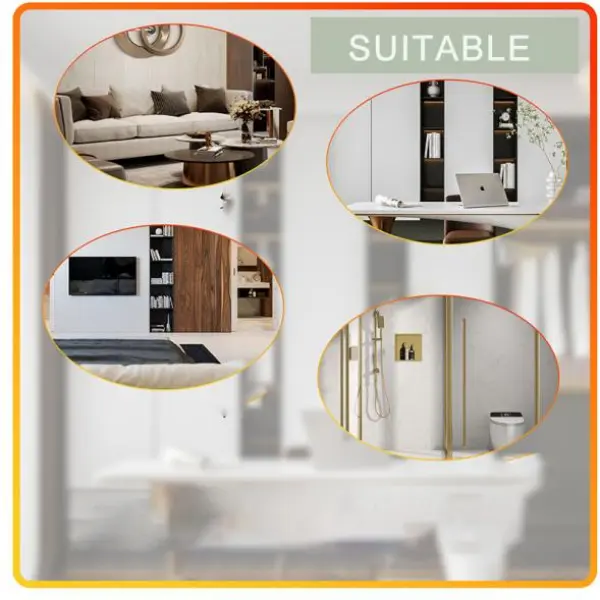
Niches are the finishing touch in the interior wall design of a room. They can be used to clean up the environment, whether in a home or a public setting.
A niche is made by drilling holes in the wall and creating hidden lights on both sides of the hole, giving the decorations inside a sense of being faintly visible like a gauze cover. Lighting fixtures can also be installed on the upper part of the hole to fully display the splendor of the display and design items. Niche holes can be numerous or few, large or small, square or round, and vary depending on the environment.
The core of niche decoration design is to create a sense similar to a photo frame around the sides of the wall opening. By using various different types of frames, the beauty of the hollow space inside the opening is highlighted, thereby presenting a cultural and artistic trend.
1.. What is a niche?
Niches first appeared in religious engineering buildings. Basically, they were all embedded in an indoor space on the building. For example, Buddha niches placed with Buddha statues, and the niches in the main church, depending on the total area, could place deities, embed picture frames or even serve as interior Windows.
In today's interior decoration, it is a design concept that closely combines basic decoration with mobile phone software: pre-embedding indoor space on the wall for hiding equipment.
The material of the niche is 304 metal, which is transformed into a stainless steel plate niche. The stainless steel plate niche not only serves the function of storing items but also can display an artistic atmosphere in the area. Stainless steel niches not only do not occupy the total building area but also can provide decorative design effects for the interior space.
2. How to design a stainless steel plate niche
2-1. The thickness of the standard wall exceeds 30cm, and some walls are only 27CM thick, which is also acceptable. The depth of the niche is recommended to be 15-20 cm. If the thickness is relatively shallow, the niche has no practical significance. If it is too deep, the product will lack its aesthetic appeal.
2-2. Harmonious proportion: The size of the niche and the proportion of the shower room wall are taken into consideration. Generally speaking, the most suitable location is the left or right side of the cleansing area, but this cannot be designed in a large size. If a niche is set above the washbasin, the specific grooving size must exceed 5-10 cm to prevent it from affecting the mason's work.
The actual specifications of the niche must refer to the floor tiles you have selected. The specific specifications should be a positive multiple of the tile size and should not mainly show zero difference.
2-3. 45-degree corner design: When embedding the shower room into the niche, it is advisable to use four frames for a 45-degree interface tension design. Do not use the concave and convex corners to decorate the edges to achieve the best effect of the niche.
We use cookies to offer you a better browsing experience, analyze site traffic and personalize content. By using this site, you agree to our use of cookies. Privacy Policy